
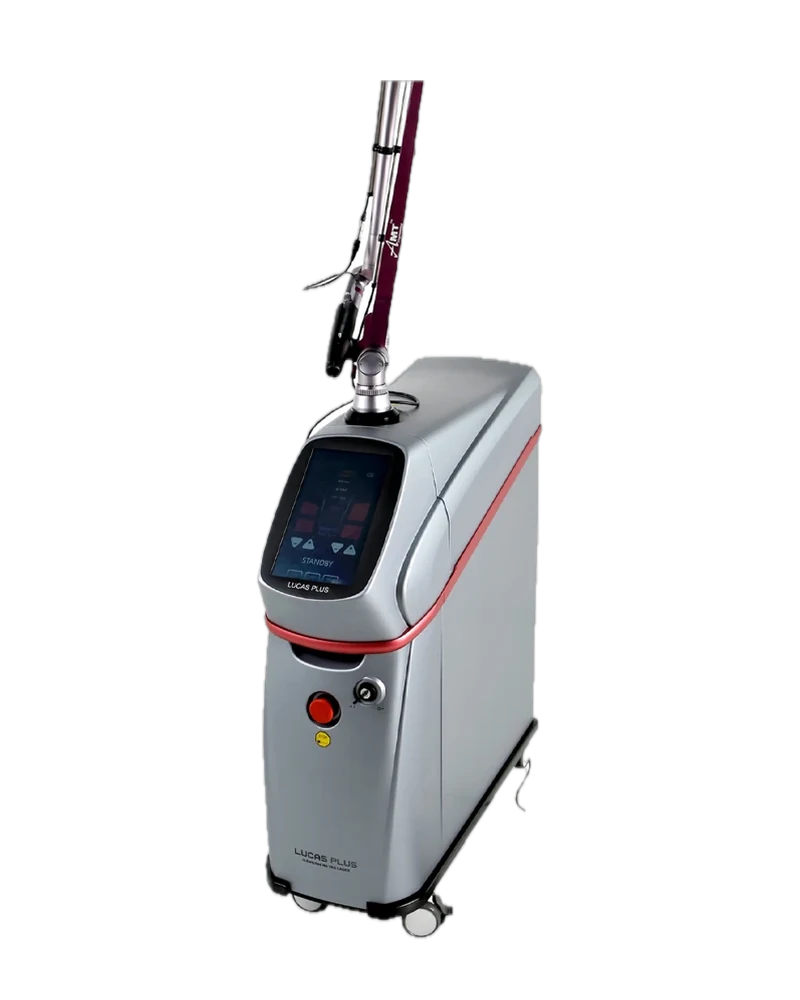
Lucas
Lucas toning
Used at low energy over several sessions for melasma and blemishes. Rather than going strong at once, it continues according to what the skin tolerates, with interval and number adjusted to your response.

Pigment & Redness
Melasma, lentigines, blemishes and flushing are all grouped as skin-tone concerns, but their causes, depths and responses differ. So we do not use the same laser at the same strength; we first tell the pigment types apart.
Treating pigment strongly in one go can irritate the skin and darken it, so we first explain managing it gently over several sessions.
Daily care such as sun protection and moisturizing matters as much as treatment. The change you can expect and how long it takes vary by person.
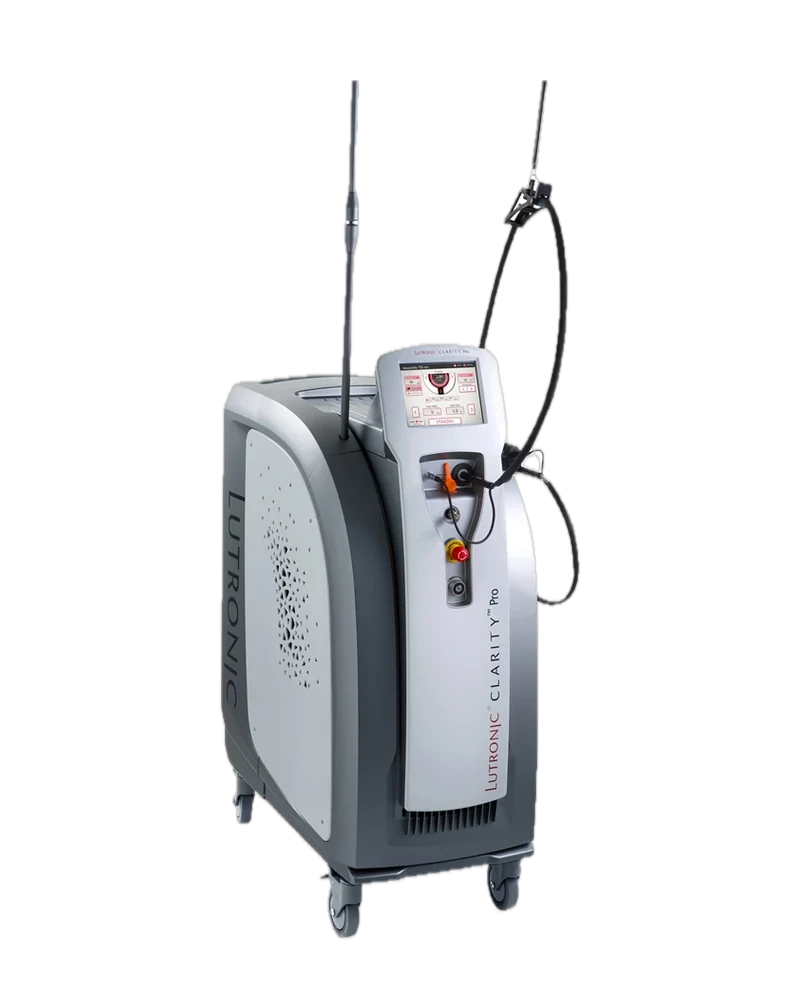
Pigment and redness care uses Lucas toning and Clarity lasers to manage pigment and flushing.
Device and intensity differ with the type and depth of pigment: melasma is managed in several sessions at low energy to limit skin stress, and lentigines in two to three sessions with intensity adjusted by hand. Changes vary by person. We see patients at Beauty Hill Clinic, 3rd floor of Hills Avenue in Jung-dong, Bucheon, near Exit 1 of Bucheon City Hall Station (Line 7).
Overview
Melasma, spots and flushing differ in cause and depth, so each is treated in its own way.
Pigment is lightened gradually with care for the skin; flushing is calmed.
Devices & products
Lucas
Used at low energy over several sessions for melasma and blemishes. Rather than going strong at once, it continues according to what the skin tolerates, with interval and number adjusted to your response.
Indications
When pale brown pigment spread over the cheekbones and cheeks bothers you
When well-defined brown spots remain for a long time
When the cheeks and nose redden easily and stay red
When skin tone looks uneven and dull overall
Process
Consultation
We tell melasma, lentigines, blemishes and flushing apart, and explain the device and number of sessions beforehand.
Treatment
We set energy while watching your skin's reaction and work area by area.
Aftercare
We explain the care to keep up until the next session.
Care path
Skin can be dry and sensitive
Wash gently and moisturize. If skin is red or burning, cool it with a cold towel but do not apply ice directly. If small scabs form, let them fall off on their own.
Sunscreen matters most
Apply sunscreen carefully before going out and reapply roughly every two hours. Heavy sun exposure can bring pigment back, so hats and parasols help, and take care that masks or hats do not rub the treated areas.
Tell us if medication or products change
Melasma builds up from hormones, sun, heat and friction, and flushing-prone skin reacts to temperature and irritation, so cut back on saunas, hot environments, scrubbing, exfoliation and hot-water washing. Medication or products can matter too, so tell us if they change. The next visit is set from how you responded last time.
Pigment is not judged after one session
We compare photos and skin condition after several treatments. Melasma can improve and come back, so we also discuss when to maintain.
If still red after a week
If redness does not subside after a week or blisters form, contact the clinic.
Temporary redness or small scabs can occur, and rarely pigment may darken or lighten.
How much and how long varies by person, and we explain aftercare before treatment. If anything worries you afterwards, please call us.
FAQ
Questions we often hear before a visit. If you need more, feel free to call us.
More questionsMelasma can return with sun exposure, hormones and more. We advise on sun protection and how to manage it. Keeping up sun protection after it fades matters, and if needed we set a time for maintenance care.
It depends on the pigment type, depth and your skin's response. Melasma is often planned over many sessions and lentigines over fewer, and we advise at consultation. We adjust the number and interval as we see how your skin responds.
Temporary redness or small scabs can occur, and rarely pigment may darken or lighten. It varies by person, and we explain before treatment. Do not pick scabs, and be thorough with sun protection. If a reaction worries you, call or message us on KakaoTalk.
It depends on the treatment and your skin's reaction, so please follow the instructions given after treatment. After laser it is often better to wait until the skin settles, so we tell you on the day when makeup is fine. If you have plans that day, let us know in advance.
Melasma spreads widely and has several overlapping triggers such as hormones and UV, making it harder to manage, while blemishes are smaller, better-defined spots. Device and strength differ, so we tell them apart at consultation. It is fine if you are not sure which you have.
Clarity is used for flushing and blemishes, and melasma is planned mainly with Lucas toning. If you have several concerns, we set priorities and proceed in order. It is fine to have both flushing and pigment; tell us the areas that bother you, and we will explain the devices and order after checking your skin.
Reservation
Check our hours and directions, then book by phone or KakaoTalk.
Open today 10:00–19:00See hours