









Skip to content
Beauty Hill ClinicBeauty Hill Clinic
KO 한국어Call to bookKakaoTalk (opens in a new window)
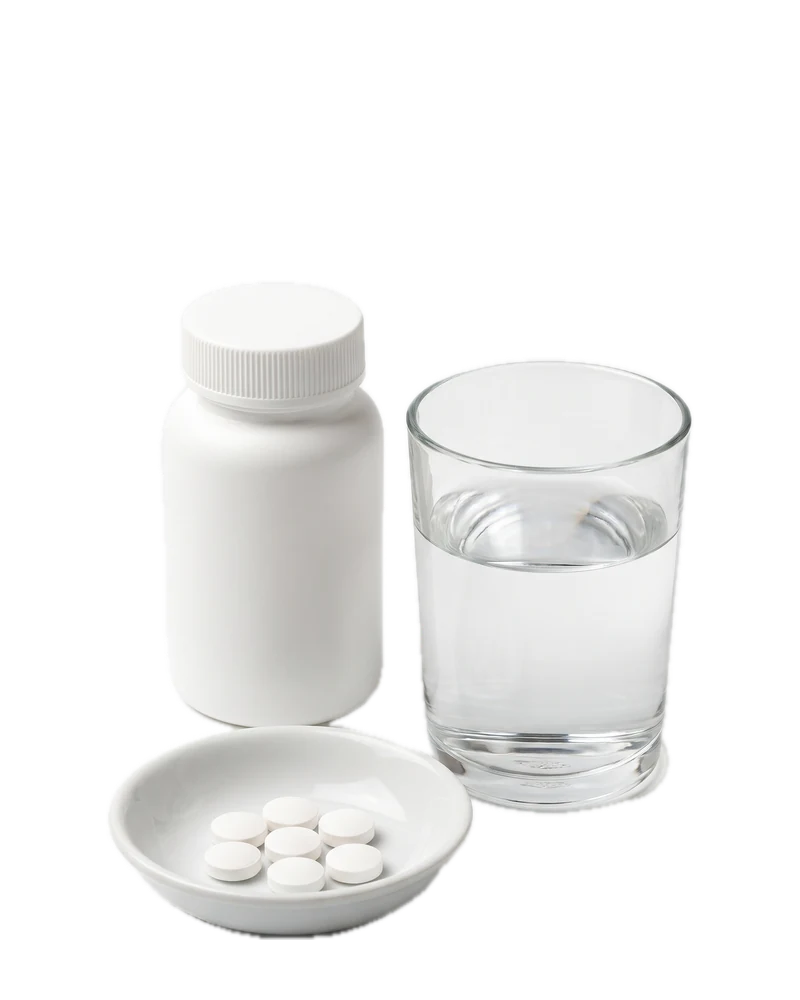
An unlabelled pill bottle and a glass of water on a treatment-room tray

Diet medication

Oral medication, examination first

When hunger and late-night snacking make it hard to stick to a diet, we evaluate your health in a consultation and prescribe oral weight-management medication.

We select the right class of medication for your eating habits and daily routine, and adjust the dosage while monitoring how your body responds.

Last updated

Diet pills are oral obesity treatment medicines that reduce appetite or reduce fat absorption, and they are prescription-only medicines that need a doctor's prescription.

Among appetite suppressants, the phentermine type is a psychotropic medicine, so we prescribe it only within the approved short period and do not use it together with other appetite suppressants. At Beauty Hill Clinic we confirm your body mass index, existing conditions and medicines at the examination, and prescribe only when we judge it necessary. We see patients at Beauty Hill Clinic, 3rd floor of Hills Avenue in Jung-dong, Bucheon, near Exit 1 of Bucheon City Hall Station (Line 7).

Next step

Related concerns and treatments

Overview

What are diet pills?

A clinic corridor seen through a lit arch

They are divided by how they work: appetite suppressants that reduce appetite in the brain, medicines that reduce fat absorption in the intestine, and combination medicines that act on both appetite and the urge to eat.

Even among appetite suppressants, the right medicine and dose differ from person to person, so we start at a low dose and adjust at return visits by looking at how much you eat and how your body responds. It is important to build, while you take the medicine, eating and activity habits that you can keep.

Appetite suppressants
The phentermine and phendimetrazine types are psychotropic medicines. We prescribe them only for the approved short period (as a rule within four weeks for phentermine) and do not use them together with other appetite suppressants.
Other oral medicines
There are medicines whose approved group and use differ, such as a medicine that reduces fat absorption (orlistat) and the naltrexone-bupropion combination.
Prescribing criteria
Each medicine has its own approved body mass index and group, so we prescribe after confirming at the examination.
Tell us first
Please be sure to tell us if you have high blood pressure, heart disease, glaucoma, thyroid disease or a mental health condition such as depression, what medicines you take, and whether you are pregnant or breastfeeding.

Devices & products

Devices and products we use

Oral medication

Diet pills

Oral obesity treatment medicine (prescription-only medicine)

Psychotropic appetite suppressants are used as short-term adjunctive therapy, fat-absorption inhibitors are taken with meals, and combination medications follow a gradual dose-escalation schedule.

Types
Appetite suppressants, fat absorption inhibitors, combination medicines
Prescription
After an examination, within the approved period

Indications

When to see us for an examination

  1. When appetite is hard to control

    When hunger and late-night eating keep returning even though you try to eat less

  2. Starting short

    When you would like short-term help alongside diet and activity management

  3. When injections feel like a burden

    When you would like to ask whether an oral medicine may suit you better than an injection

Process

How the visit works

  1. Examination

    We check your health first

    We measure your height and weight to work out your body mass index (BMI), and ask about existing conditions, medicines you take and past treatments.

  2. Prescription

    The doctor decides whether to prescribe

    We prescribe only when you fall within the approved group and we judge it necessary, and we explain how to use it and the reactions that may occur.

  3. Follow-up

    We see you again at set intervals

    We check weight change and any discomfort, then decide whether to continue, change the dose or stop.

Care path

What follows a prescription

  1. The first few weeks

    Your body is adjusting to the medicine

    Depending on the medicine, reactions such as nausea, heartburn, dry mouth or trouble sleeping may occur. If they are severe or continue, please contact us instead of changing the dose yourself.

  2. Return visit

    We review the change and any discomfort together

    We check your weight, how much you eat and any symptoms, then decide whether to continue.

  3. As you continue

    Meals and activity go together

    Medication is one way to support lifestyle management. We also set meal and activity goals you can keep after you stop.

Reactions that may follow

Depending on the medicine, reactions such as dry mouth, palpitations, trouble sleeping, constipation, nausea and oily stools may occur. If you have chest pain or shortness of breath, stop taking it right away and contact us.

How much and how long varies by person, and we explain aftercare before treatment. If anything worries you afterwards, please call us.

FAQ

Diet medication prescription: FAQ

Questions we often hear before a visit. If you need more, feel free to call us.

More questions
  • Can I take it for a long time?

    Psychotropic appetite suppressants are prescribed for up to 4 weeks at a time as a rule and for no more than 3 months in total. Afterward, we assess your condition and transition to another option.

  • Can I take it with medicine from another clinic?

    Appetite suppressants are not taken together with other appetite suppressants. If you have medicine from another clinic, please be sure to tell us at the examination.

  • What should I do if I have side effects?

    If early discomfort is mild, we can adjust your dosage or timing at your follow-up visit. However, if you feel chest pain or shortness of breath, stop taking the medication immediately and contact us.

  • Will I regain weight if I stop?

    After you stop, your appetite may return and your weight may increase again. It is important to change your lifestyle habits together while you are prescribed it.

  • How is it different from injection treatment?

    Oral medication is taken daily, whereas obesity treatment injections are administered once a week. Because the approved criteria, prescription duration, and possible reactions differ, we decide what suits your body during a medical consultation.